1935
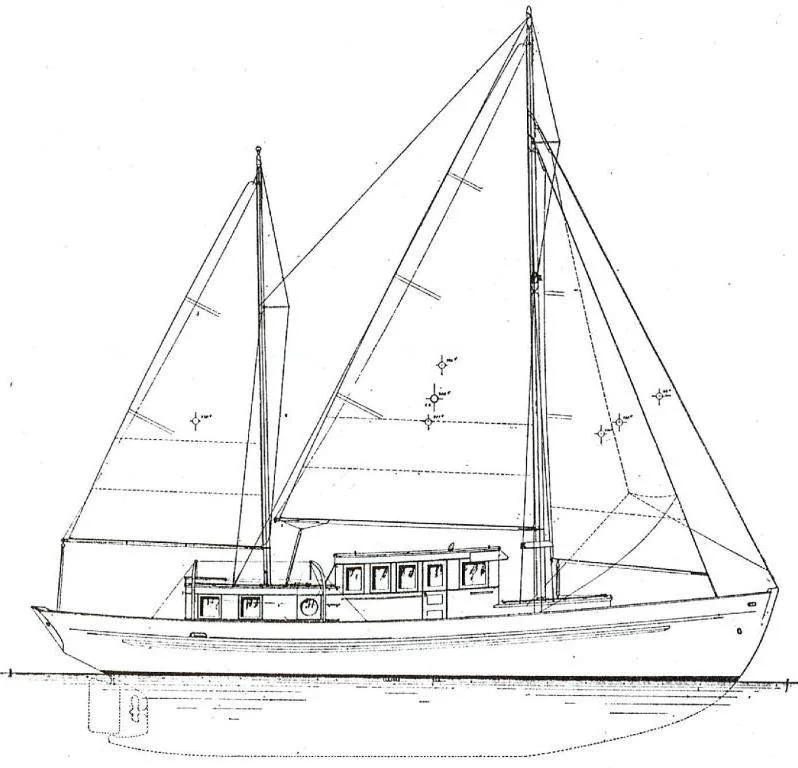
In the spring of 1935, Louis Cass walked into the yards of South Coast Boat Building Company in Newport Beach with a specific vision: a boat that could handle open ocean in any weather, and stay stable under power or sail. He brought in designers Walton Hubbard Jr. and Frederick C. Brewer, and together they drew up something unusual — a 50-50 hybrid, powerboat lines forward, Gloucester fishboat lines aft, everything heavy kept low and below the waterline for stability.
1936
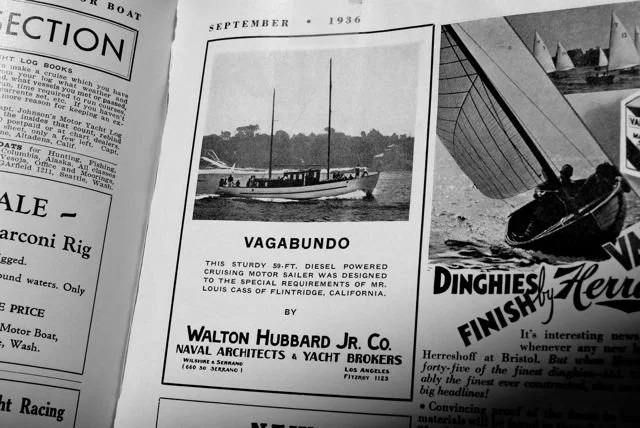
Vagabundo
On June 15, 1936, Vagabundo touched water for the first time. Cass took her on fishing trips to Catalina and Ensenada, a skipper and deckhand aboard, and for years she was simply a wealthy man's dream, built exactly to his word.
The Windlass from Fairview Avenue
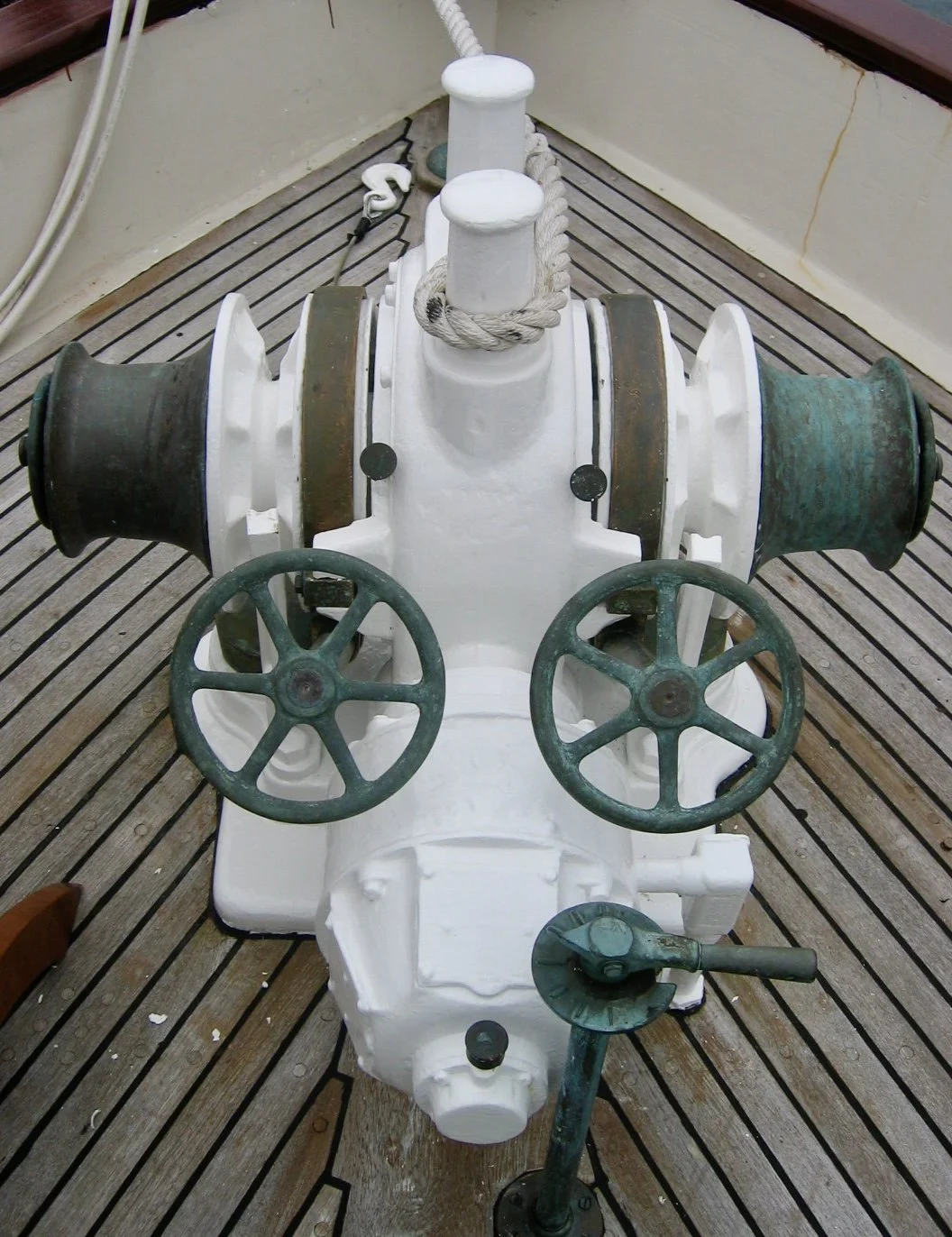
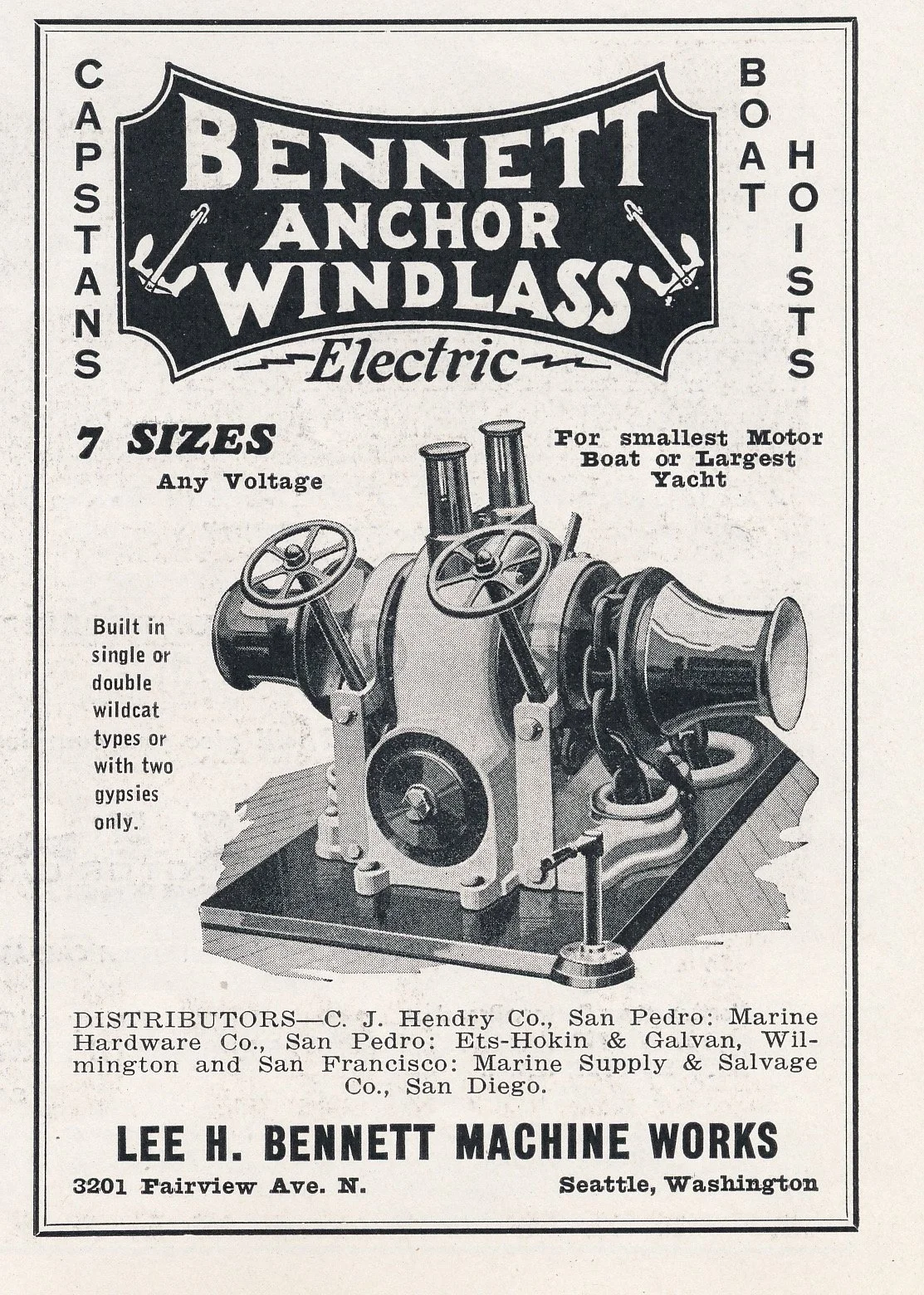
Louis Cass didn't buy off the shelf. Every account of Vagabundo's construction in 1936 makes the same point in different words: he studied her fittings the way some men study horses before a race. So when it came time to choose the anchor windlass — the machine that would take the strain of hauling a deep-water ketch's ground tackle, trip after trip, for years — he didn't simply go with whoever was closest.
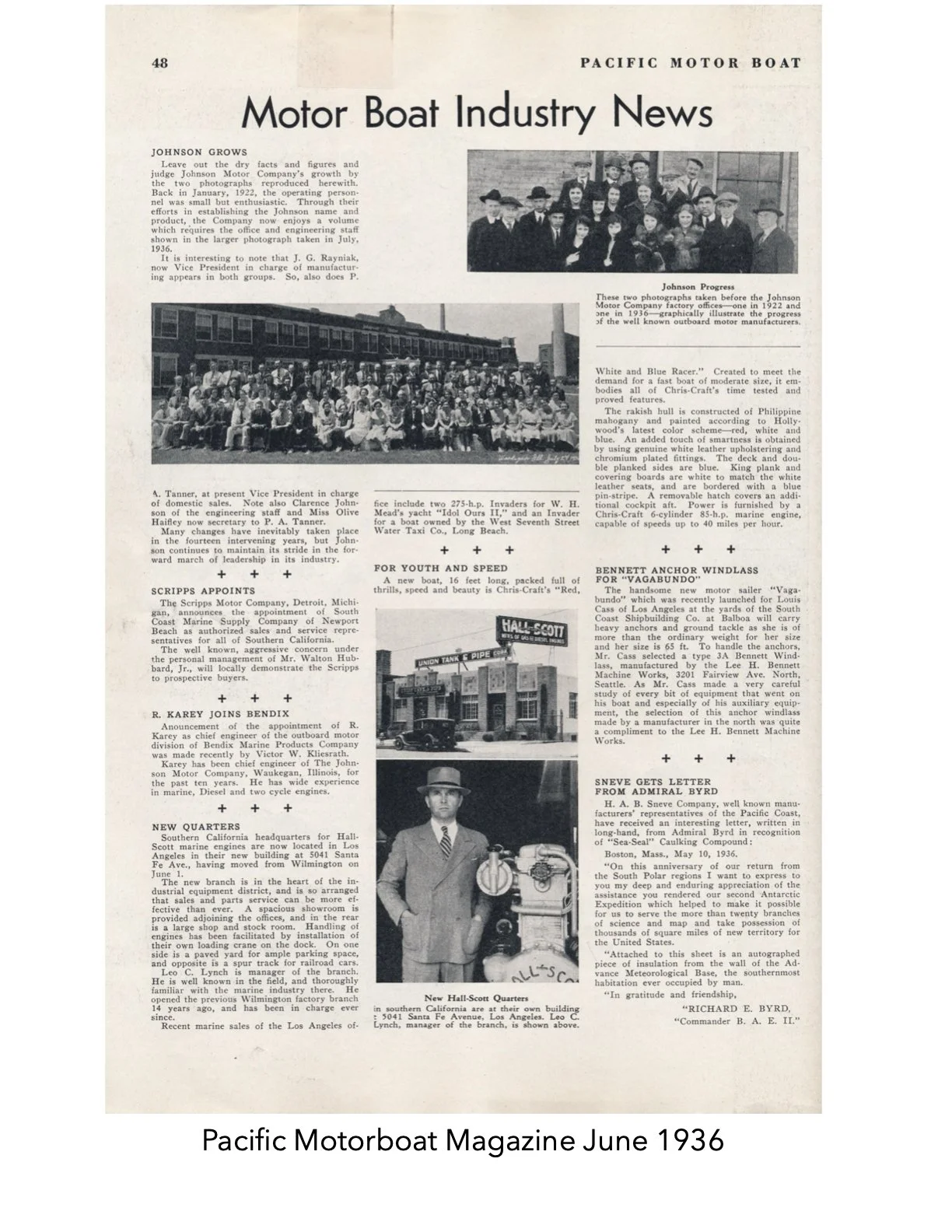
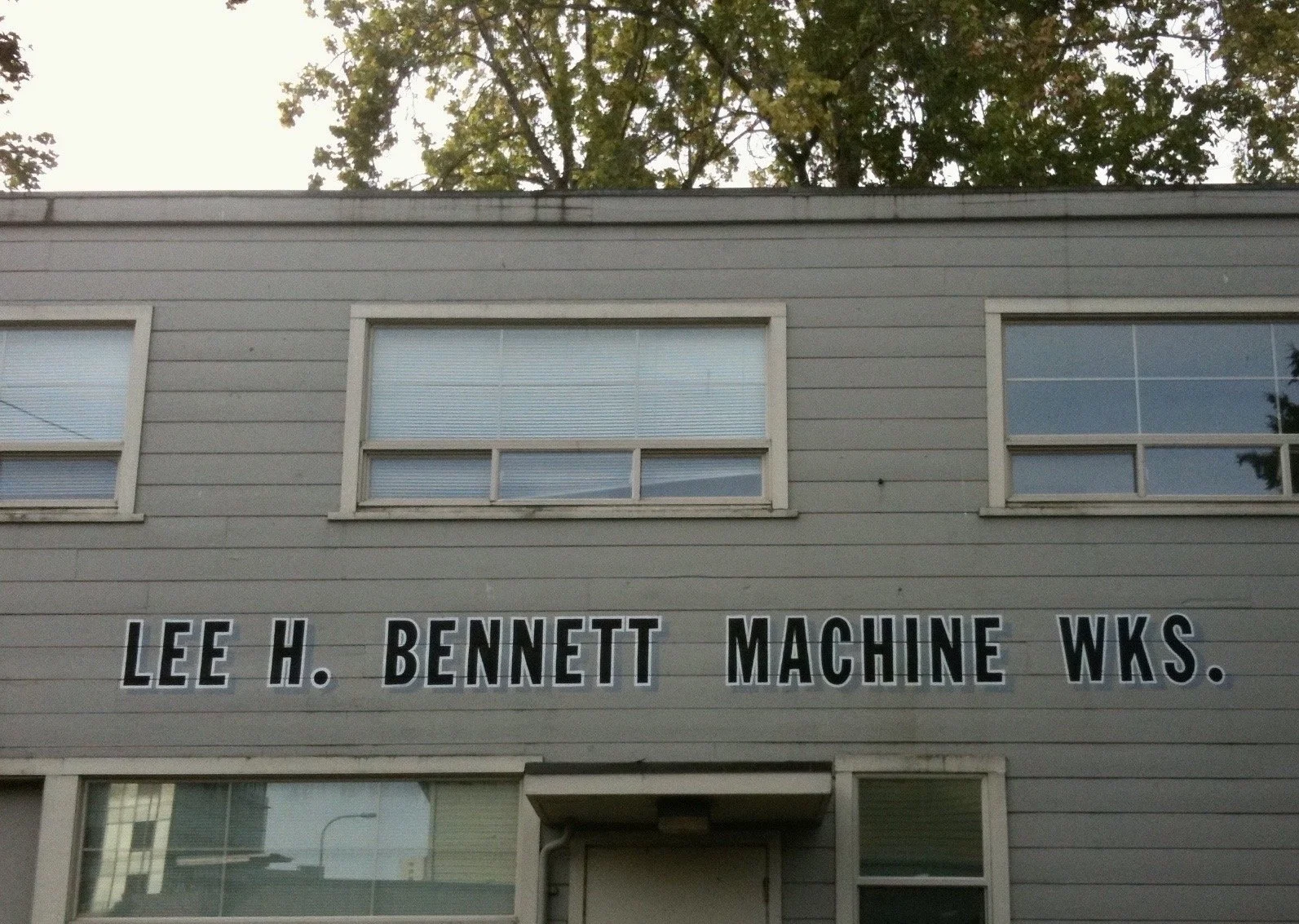
Pacific Motor Boat magazine thought the decision was worth a story of its own. In its June 1936 issue, under the headline "Bennett Anchor Windlass for 'Vagabundo,'" the magazine noted that the new motor sailer would need to carry unusually heavy anchors for her size, and that Cass had chosen a Type 3A windlass built by the Lee H. Bennett Machine Works — a shop working out of 3201 Fairview Avenue North, in Seattle. The magazine called it "quite a compliment" that a Los Angeles yacht owner would reach eight hundred miles north for his ground tackle, when Southern California had plenty of suppliers of its own.
It's a small story, but it tells you something true about how Vagabundo was built: nothing on her was an afterthought. Cass went shopping the way a man does when he plans to trust his boat's safety to the equipment he's chosen — and the fact that Fairview Avenue won out over anything closer to home says the Bennett name carried real weight on the water in 1936.
There's a quiet symmetry in it now. The windlass came out of Seattle, and nearly ninety years later, that's where Vagabundo calls home again.
Source: "Bennett Anchor Windlass for 'Vagabundo,'" Pacific Motor Boat, June 1936.